
A Stroll Through Time: Roland Park’s Origins
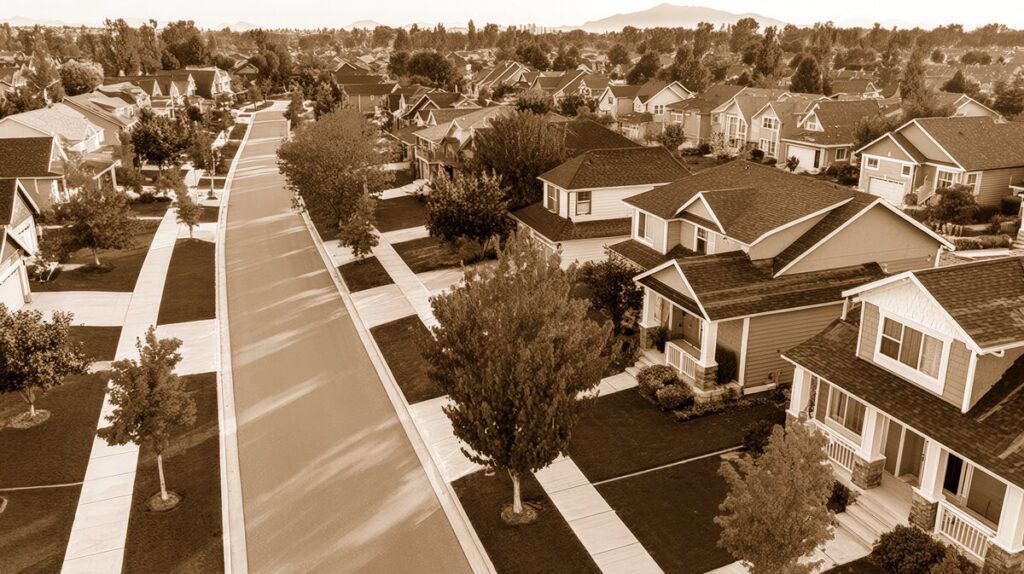
There’s a certain joy in wandering the tree-lined streets of Roland Park, a northwestern Baltimore neighborhood where the past feels beautifully preserved. One of America’s first planned suburban communities, Roland Park began as an ambitious vision at the close of the 19th century. Its roots stretch back to 1891, when the Roland Park Company purchased rolling farmland north of the city with a revolutionary idea: to create a residential haven that blended nature, elegant homes, and thoughtful design.
The neighborhood’s name comes from Roland Farm, an estate that once encompassed much of the area. The farm itself may have gotten its name from Rowland (or “Roland”) Hazard, an early settler, or possibly in homage to a literary or European legacy. Whatever the exact origin, “Roland Park” soon became synonymous with upscale, tranquil living—not just in Baltimore, but as a model community across the nation.
Blueprint of a Dream: Designing Roland Park
The Roland Park Company set out to build something Baltimore had never seen. They enlisted the talents of Edward H. Bouton, a pioneering developer, alongside renowned landscape architect Frederick Law Olmsted, Jr. (son of the Central Park designer). Their goal? To craft a “garden suburb,” with gentle curving roads following the natural contours of the land, lavish green spaces, and strict covenants to maintain architectural harmony.
Some key milestones in those early days include:
- 1891: The Roland Park Company is formed and begins developing the land.
- 1890s–1920s: The neighborhood expands through successive “sections,” from Edgevale Road and Upland Road to deeper developments along Roland Avenue, Wyndhurst, and beyond.
- 1907: The Roland Park Shopping Center opens at Roland Avenue and Upland Road. It’s considered one of the nation’s first-ever strip malls, catering to the local residents.
- Public Transport: Clever use of streetcar lines along Roland Avenue made downtown Baltimore an easy commute for residents, cementing Roland Park’s appeal for wealthy city dwellers seeking suburban respite.
Streets, Landmarks, and Houses with Histories
Strolling along streets like Goodwood Gardens, Deepdene Road, or Club Road, residents and visitors alike are struck by the neighborhood’s architectural grace. Stately Victorians, Arts & Crafts bungalows, Tudor Revivals, and Colonial-style homes dot the leafy lanes, each with its own story.
Notable Landmarks:
- Roland Park Presbyterian Church: Nestled on Roland Avenue, this beautiful sanctuary has been a community hub since the 1900s.
- The Roland Park Branch Library: Built in 1924 on Wyndhurst Avenue, the original brick structure has served generations of curious minds.
- Roland Park Country School (RPCS) and Gilman School: Two prestigious private schools founded in the early 20th century, these institutions have educated generations of Baltimore learners.
- The Roland Park Water Tower: This castellated structure at Roland Avenue and University Parkway, visible for miles, once supplied water to the growing neighborhood. Today, it’s a beloved historic landmark slated for preservation and restoration.
Along with commercial hubs like the old Roland Park Shopping Center (now featuring the Roland Park Bagel Company and other local favorites), these sites define the neighborhood’s character.
The Community Spirit: Parks, Paths, and Garden Clubs
Much of Roland Park’s enduring allure lies in its integration with nature. The well-maintained median “islands” along streets like St. George’s Road, verdant gardens, and mature canopy trees speak to the early planners’ commitment to green space.
- Stony Run: This peaceful wooded trail, following a stream from the Bryn Mawr School past Wyndhurst, is popular with joggers, dog walkers, and bird watchers.
- Eddie’s of Roland Park: Since 1944, this beloved gourmet market on Roland Avenue has served as a true neighborhood anchor—where “everybody knows your name.”
- Roland Park Garden Club: Founded in 1913, the club remains one of the nation’s oldest, dedicated to beautifying public spaces and fostering environmental stewardship.
Evolution over the Decades
While Roland Park has always enjoyed a reputation for exclusivity and serenity, the neighborhood is not without a complicated past. Early property deeds once included restrictive covenants that excluded African-Americans, Jews, and other minority groups—an unfortunate practice echoed in many American suburbs. Over the decades, such barriers have been struck down, and today’s Roland Park is a far more welcoming and inclusive place, mindful of its history but looking toward a more equitable future.
The post-WWII suburban boom brought subtle changes: more residents, gradual modernization of homes, and increased car traffic. Yet, Roland Park has resisted the wholesale development and urbanization seen elsewhere, thanks largely to its engaged community and vigilant Roland Park Civic League.
Roland Park Today: Then and Now
Each season brings its own pleasures to Roland Park. Springtime means cherry blossoms and azaleas splashing color across lawns. Fall brings fiery maples and lively Halloween parades. The holiday lanterns along Deepdene Road are a sight to behold in December.
Neighbors gather at the Sunday farmers’ market, at community events in Roland Park Elementary/Middle School, or on the tennis courts of the historic Baltimore Country Club nearby. The strong community ties, emphasis on walkability, and devotion to careful stewardship continue to set Roland Park apart.
What Makes Roland Park Special
Ask any longtime resident: Roland Park is special not just for its homes or history, but for a way of life rooted in community, continuity, and care. From the inspirational teachers at local schools to the family-owned shops and active civic organizations, Roland Park feels both timeless and vibrant. It is a neighborhood where the best traditions endure, yet where new generations are always helping write the next chapter in a grand Baltimore story.
Whether you’re discovering the tranquil wooded paths for the first time or sitting on a century-old porch listening to the birds, Roland Park’s legacy is alive all around. That’s the magic—here, history is truly a part of everyday life.